Saint Sebastian & Winter Sacred Fires in Ogliastra: The Ancestral January Rite
From January 16 to 20, Ogliastra's mountain villages ignite monumental ceremonial bonfires: the sacred fires of Saint Anthony and Saint Sebastian in Seui, Villagrande, and Arzana.
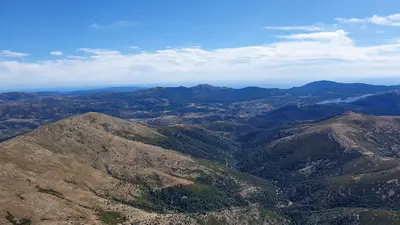
In the heart of the mountain winter, when the crisp air of the Gennargentu mountain range sweeps through granite alleys and stone chimneys puff without pause, Ogliastra celebrates its most mystical and unifying ancestral heritage: the Great Sacred Fires of January. Between the eve of Saint Anthony the Abbot (January 16) and the feast of Saint Sebastian (January 20), the historic villages of Seui, Villagrande Strisaili, Arzana, and Ulassai transform parish squares into amphitheatres of living warmth.
This is not a commercial staging for summer tourists, but a vibrant community rite handed down across centuries, where deep spiritual devotion honors prehistoric memories of the winter solstice and the renewal of solar light.
The Myth of Sacred Fire
Sardinian oral lore portrays Saint Anthony descending into the underworld with a hollow giant fennel stalk and a piglet to stealthily retrieve a spark of fire for cold-stricken humankind. Days later, celebrations transition to Saint Sebastian the Martyr, historically invoked by mountain communities for protection against epidemics and harsh winter ailments.
The fire serves as medicine, purifying light, and civic bond: gathered around the warm embers, families and travelers share honest fellowship after months of rugged agricultural labor.
The Ritual Gathering of Holm Oak
Preparations commence weeks before the lighting ceremony through communal effort:
The Forest Expedition (Su Lincurzu): Shepherds, farmers, and village youths head into municipal mountain forests to harvest seasoned deadwood and massive fallen holm oak trunks.
The Central Beam (Su Pili): A towering trunk is anchored upright in the center of the village square, around which tons of aromatic wood are spiraled into a soaring pyramid.
The Solemn Blessing: At dusk, following evening mass, the parish priest blesses the pyre. A ceremonial church candle sparks the blaze amidst cheering crowds and festive bell chimes.
The Three Rounds (Is Tres Giros): The gathered community walks three ritual clockwise turns around the roaring bonfire, reciting prayers for health, flourishing pastures, and family well-being.
Winter Gastronomy: Pistiddu and Cannonau Wine
The hearth draws community generosity:
Su Pistiddu: A delicate pastry tart intricately hand-carved with floral patterns, filled with cooked grape must (saba), citrus zest, and saffron.
Su Pane de Saba: A dark, moist festive loaf studded with roasted walnuts, almonds, and raisins.
Grilled Meats: Once the high flames settle, glowing embers become a communal barbecue for fresh pork sausages, bacon, and toasted pane pistoccu.
Winter Cannonau: Served at room temperature, freshly racked Cannonau wine warms hikers and visitors against the brisk night air.
Frequently Asked Questions
Direct answers to the most common questions about this trip.
When do the winter sacred fire festivals take place in Ogliastra?
The major ceremonial bonfires take place in mid-January: the evening of January 16 for Saint Anthony the Abbot and the evening of January 19-20 for Saint Sebastian.
What is the symbolic meaning of the fire ritual in mountain hamlets?
The ritual dates back to Mediterranean prehistory, celebrating the turning of the winter solstice, communal purification, and blessing crops and livestock.
What traditional food and wine are shared around the embers?
Communities generously offer sweet ritual breads (su pistiddu, su pane de saba), grilled local meats over glowing coals, and freshly pressed Cannonau DOC red wine.