Sardinia's Blue Zone: The 7 Secrets of Longevity in Ogliastra
Why do people live longer in Ogliastra? The 7 scientific secrets of the Sardinian Blue Zone: from Cannonau to genetics, from diet to the land itself.
Ogliastra is one of the five recognised Blue Zones in the world — areas where the population reaches an exceptionally high average age. But what makes this land so special? The answer lies in a combination of genetics, diet, landscape and culture that scientists have been studying for decades.
The World Record
Villagrande Strisaili holds the world record for documented male longevity, as established by researchers Gianni Pes and Michel Poulain. The village has produced the highest number of male centenarians per capita ever recorded. But it is not only Villagrande: Perdasdefogu, Arzana, Baunei, Talana and Urzulei all have longevity rates far above the average.
The Melis family from Perdasdefogu entered the Guinness World Records in 2012 as the world's longest-lived family: 9 siblings with a combined age of 819 years.
The 7 Secrets
1. Cannonau: The Wine of Longevity
Cannonau produced in Ogliastra contains 2–3 times more procyanidins (a type of polyphenol) than other red wines. These antioxidants protect the arteries and reduce chronic inflammation. Centenarians drink 1–2 glasses a day — never more — always with meals.
2. The Nameless Diet
No one in Ogliastra "goes on a diet". People simply eat as they always have: wholegrain durum wheat bread (carasau), pulses, kitchen garden vegetables, pasture-fed pecorino and very little meat. The ratio of animal to plant protein is roughly 1 to 5 — the opposite of the modern diet.
3. The Vertical Landscape
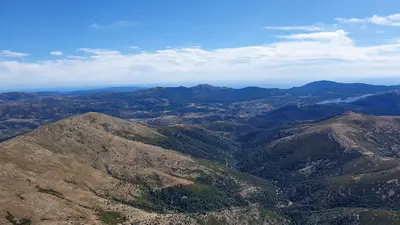
Living at 600–800 metres on steep, rugged terrain means intensive daily exercise without ever setting foot in a gym. Ogliastra's shepherds cover 10–15 km a day up and down hillsides — a lifelong daily "workout".
4. Family as the Centre of Life
In Ogliastra, elderly people are not sent to care homes. They live with their children and grandchildren, maintain an active social role (cooking, looking after grandchildren, telling stories), and always have a reason to get up in the morning. Social isolation — the leading cause of premature death in the modern world — simply does not exist here.
5. The Genetics of Isolation
Ogliastra was geographically isolated for millennia. The mountains, canyons and lack of roads (until the 1950s many villages were accessible only on horseback) created a restricted gene pool with protective variants. Studies by the University of Sassari have identified specific mutations that protect against cardiovascular disease and diabetes.
6. A Strong Sense of Community
In a village of 500 inhabitants, everyone knows everyone. Problems are shared, neighbours are helped, celebrations are held together. This close-knit social fabric generates oxytocin (the social bonding hormone), reduces cortisol (the stress hormone) and creates an emotional safety net that modern urban life has almost completely destroyed.
7. The "Retirement Plan" That Doesn't Exist
Ogliastra's centenarians have never had a retirement plan. They never stop working — they simply slow down. At 90 they prune the vines, at 95 they tend a few goats, at 100 they look after the vegetable garden. Physical and mental activity never comes to an abrupt halt — and this, according to gerontologists, is the most underrated factor in longevity.
How to Experience the Blue Zone Today
Visiting Ogliastra is not just tourism: it is an immersion in a way of life that the rest of the world has lost. Here is how to live it:
- Stay in an agriturismo in the hinterland, not a coastal resort
- Eat in village trattorias where the local women do the cooking
- Walk: leave the car behind and explore the trails between villages
- Talk to the elders: they have stories that no travel guide contains
- Drink a glass of Cannonau at sunset. Just one. Like they do.