Eastern vs Western Sardinia: Why Ogliastra Is Different
What makes eastern Sardinia unique: historical isolation, different traditions, wild landscape and authentic tourism. A practical comparison for travellers.
Sardinia is not a uniform island. Those who truly know it understand that the eastern and western coasts are different worlds — in landscape, culture, traditions and type of tourism. Ogliastra, the heart of the east coast, represents Sardinia in its purest and least contaminated form.
The Key Differences
Landscape
Western Coast (Alghero, Oristano, Sulcis): Wide coastal plains, long sandy beaches, lagoons and ponds. The landscape is gentler, horizontal. The cities (Alghero, Oristano, Cagliari) face broad, accessible gulfs.
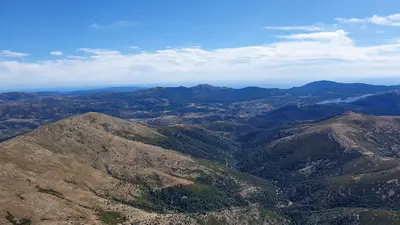
Eastern Coast (Ogliastra, Gulf of Orosei): Mountains plunging into the sea. 500-metre cliffs, canyons, sea caves, coves reachable only on foot or by boat. The landscape is vertical, dramatic, uncompromising. There is not a single large coastal city between Cagliari and Olbia — 300 km of practically virgin coastline.
Accessibility
West: Well connected. International airports (Alghero, Cagliari), motorways, efficient rail links. Mass tourism has solid infrastructure.
East: Isolated. No direct airport (the nearest is Cagliari, 2 hours away). One ferry port (Arbatax). Winding mountain roads. Rail limited to the tourist Trenino Verde. This "difficulty" is its blessing: it keeps away hit-and-run tourism.
Tourism
West and North (Costa Smeralda, Alghero, Villasimius): International resorts, clubs, luxury shopping, private jets. Porto Cervo is the symbol of a glamorous, polished Sardinia. Tourism is an established industry with international standards.
East (Ogliastra): Family-run B&Bs, agriturismi where grandmother does the cooking, trattorias with no English menu. Tourism here is young and artisanal. You will not find international hotel chains or shopping centres. You will find real people.
Why Ogliastra Has Preserved Its Identity
Geographic Isolation
Until the 1950s, many villages in Ogliastra were reachable only on horseback or on foot. The SS 125, the only coastal road, was completed only in the 1960s — and it remains one of the most winding roads in Italy today. This isolation had a paradoxical effect: what seemed like a curse became Ogliastra's greatest asset.
While the Costa Smeralda was being transformed by the Aga Khan's project in the 1960s, Ogliastra remained off the radar. No international investors, no resorts, no airport. The villages continued to live as they always had.
The Language
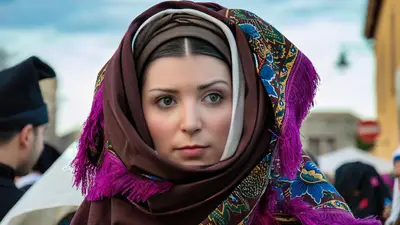
The Sardinian spoken in Ogliastra (Ogliastrino) is one of the most archaic variants of the Sardinian language, itself the most conservative Romance language. In many inland villages, older people speak fluently a form of Sardinian that contains pre-Latin elements. It is a living linguistic heritage.
The Social Structure
While in the larger Sardinian cities (Cagliari, Sassari) modernisation has transformed social relations, in the villages of Ogliastra the traditional community structure remains intact. Neighbours all know each other, doors stay open, elderly people live with their families, festivals involve the whole village.
Practical Comparison for Travellers
Choose the West/North Coast If: - You want luxury resorts with every comfort - You prefer beaches easily reached by car - You enjoy nightlife and shopping - You are travelling with very young children and want maximum convenience - You want direct flights from abroad
Choose Ogliastra If: - You seek authenticity and genuine contact with local culture - You love trekking, kayaking, adventure - You prefer wild beaches reachable on foot or by boat - You want to eat at agriturismi and family trattorias - You are interested in the Blue Zone and the centenarians' way of life - You want to feel you have "discovered" something, not "consumed" a destination
Budget Comparison
| Item | Costa Smeralda | Ogliastra |
|---|---|---|
| B&B/night | €100–300 | €40–80 |
| Trattoria lunch | €30–60 | €15–25 |
| Sun lounger + umbrella | €30–50 | €10–20 |
| Boat trip | €80–150 | €35–50 |
| Aperitivo | €12–20 | €5–8 |
Ogliastra costs on average half as much as the Costa Smeralda for an experience that many consider superior.
The Future
Ogliastra is changing. Tourism is growing, new B&Bs open every year, trails are being waymarked, guides are becoming more professional. But the pace of change is slow — and that is a good thing. The balance between accessibility and authenticity is fragile. Ogliastra still has time to learn from the mistakes of the destinations that came before it.
Those who visit today see it at a magical moment: well-known enough to offer decent services, unknown enough to reward genuine discovery. This balance will not last forever. Go now.